Inflationary pricing lifted revenue, but deep discounts were needed to combat sticker shock.
Beauty brands executed a "High-Low" pricing strategy this year. A big rise in ASP shows that higher list prices, driven by inflation, set a new revenue floor. This led to more ordered revenue, even though unit conversion stayed the same.
Download the report and you'll learn:
Pricing power came with a cost: brands were forced to double their discount depth, driving a sharp decline in gross margins.
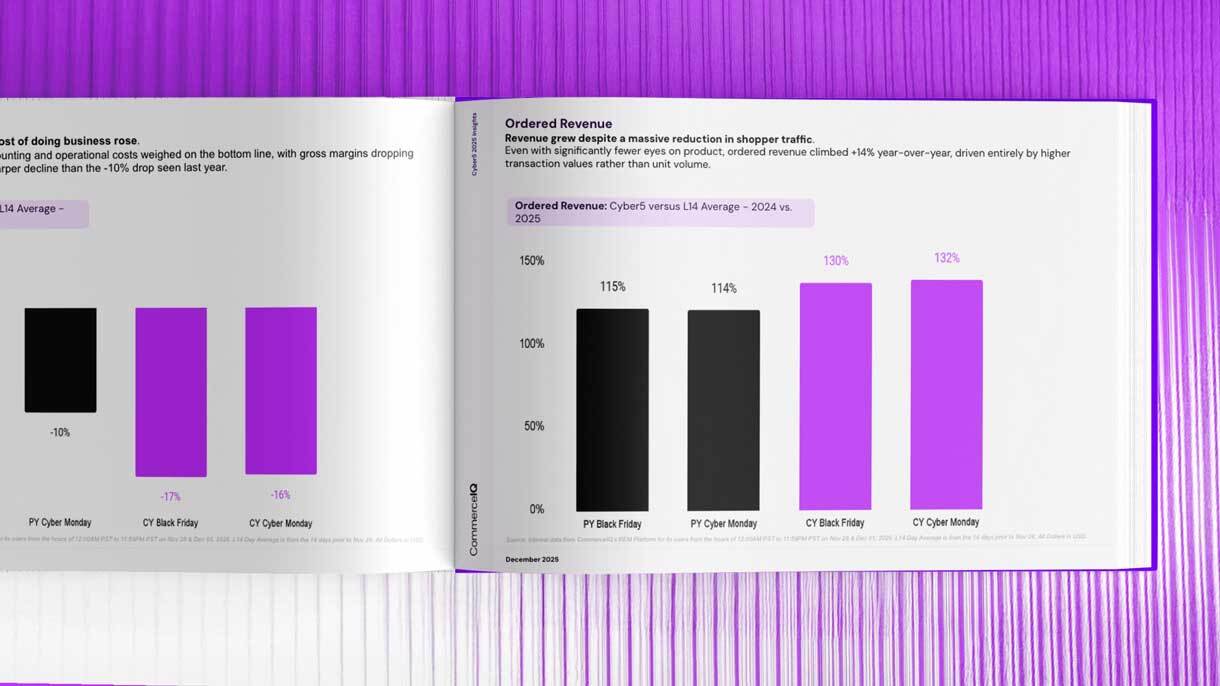
Beauty saw a healthy +13% year-over-year increase in ordered revenue, but this was fueled almost entirely by higher price points rather than a surge in unit demand.
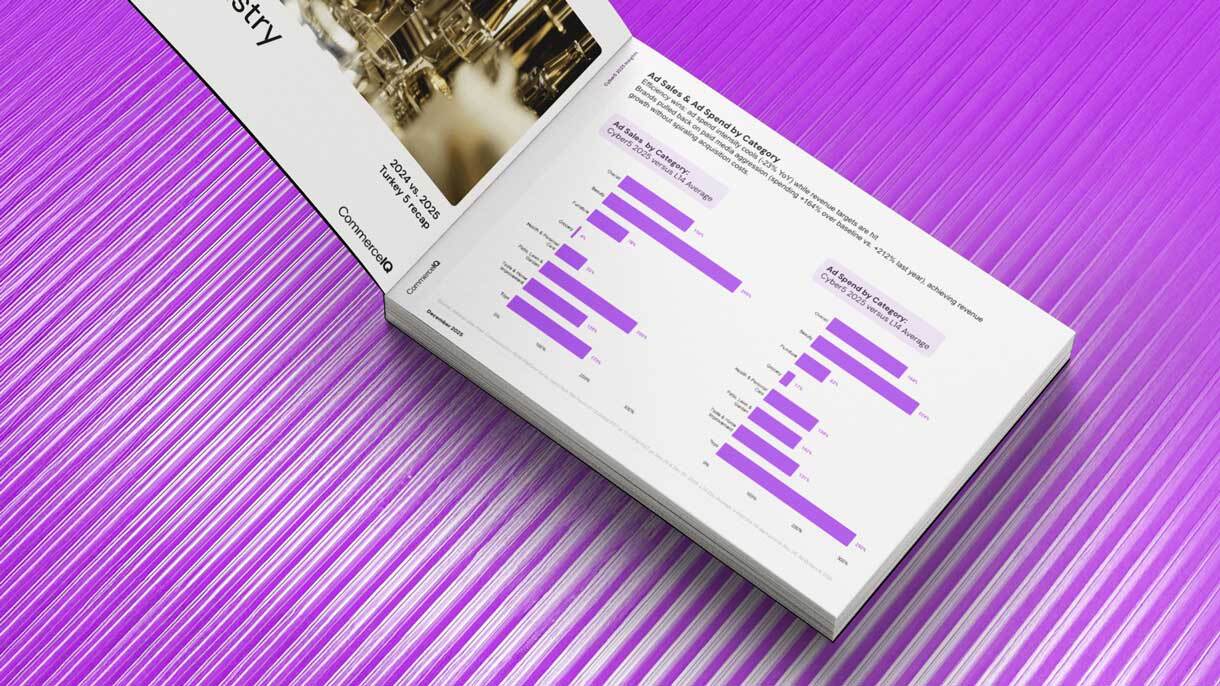
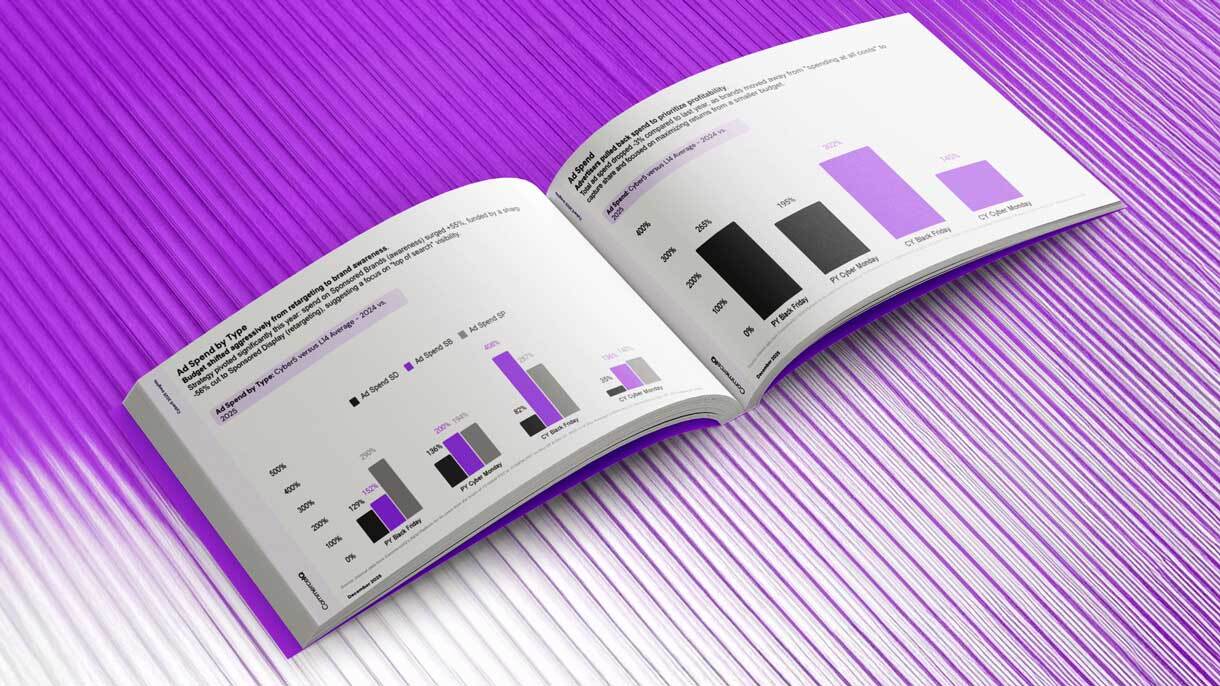
Advertising strategy pivoted from retargeting to visibility, reversing last year’s efficiency struggles to deliver a +23% lift in ROAS.
Download the full report
Used by the most loved brands in the world
Key Takeaways
Inflationary pricing drove a massive 37% surge in average selling price (ASP), lifting ordered revenue by 13% despite flat unit conversion
Beauty brands doubled their discount depth from 3% to 6% year-over-year to combat sticker shock from inflated list prices
Advertising strategy pivoted dramatically from retargeting to brand awareness, with Sponsored Display spending slashed 56% while Sponsored Brands surged 55%
Revenue loss due to out-of-stock items plummeted 64% year-over-year despite 13% higher ordered revenue
Unit conversion remained completely flat at 0% year-over-year variance, meaning higher traffic didn't translate to higher purchase rates
Gross margins declined sharply to -17% for Black Friday and -16% for Cyber Monday compared to -10% in 2024